Source eco friendly small electric forklift for Warehouses, Factories, and Distribution Centers
Compare 23 available eco friendly small electric forklift units with varying load capacities from 1 to 5 tons. Buyers can review specifications such as lift heights, tire types, and customization options for electric models.
Key considerations
Products List


Comprehensive Sourcing Guide
Strategic Sourcing Guide for Eco-Friendly Small Electric Forklifts
The global shift toward sustainable logistics has elevated the demand for eco-friendly small electric forklifts. These machines offer a zero-emission alternative to internal combustion engines, making them ideal for indoor environments, food processing facilities, and warehouses with strict air quality regulations. Sourcing these units requires a disciplined approach to verify technical specifications, confirm compliance with international standards, and evaluate supplier capabilities. This guide provides a structured framework for procurement professionals to navigate the market, utilizing observed industry data to inform decision-making without relying on unverified claims.
Technical Specifications and Operational Capabilities
When evaluating small electric forklifts, buyers must prioritize specifications that align with their specific operational needs. The core of an electric forklift's performance lies in its powertrain and lifting capacity. Based on available market data, the standard power source for these units is the AC Motor, which offers superior torque control and energy efficiency compared to DC alternatives. The fuel type is exclusively electric, ensuring no exhaust emissions during operation.
Lifting capacity is a critical variable. Observed data indicates a load capacity range spanning from 1 ton to 5 tons, with some configurations extending up to 10 tons depending on the specific model series. For small-scale operations, the 1T to 5T range is most prevalent. The lift height is another defining characteristic, with standard units offering a lift height between 3000mm and 5000mm. This range accommodates both standard racking systems and high-bay storage solutions.
The physical dimensions of the forklift must also be considered to ensure compatibility with warehouse aisles. Standardized dimensions observed in the market include a length of approximately 2.5 meters, a width of 1.2 meters, and a height of roughly 2.15 meters. Other configurations may vary slightly, with some models measuring 235cm in length, 120cm in width, and 213cm in height. Buyers should verify the exact footprint of any unit to ensure it fits within their facility's constraints.
The load center is a crucial safety parameter. Standard models typically feature a load center of 500mm, which dictates the maximum weight the forklift can safely lift at that specific distance from the fork face. The fork type is generally forged, with some units utilizing forged one-piece molding for enhanced durability. Tire selection is equally important; solid rubber tires are the standard for electric forklifts, providing stability and resistance to punctures in industrial environments.
| Specification Category | Observed Standard Range | Verification Requirement |
|---|---|---|
| Power Source | AC Motor | Confirm motor type and voltage compatibility |
| Load Capacity | 1T - 5T (up to 10T) | Verify rated capacity for specific load center |
| Lift Height | 3000mm - 5000mm | Check mast height against racking system |
| Dimensions | ~2500mm x 1200mm x 2150mm | Measure aisle width and clearance |
| Tire Type | Solid Rubber | Assess floor surface conditions |
| Fork Type | Forged One-Piece | Inspect for welding integrity |
Compliance, Certification, and Safety Standards
Ensuring that an electric forklift meets safety and environmental standards is paramount for risk management. While specific certification statuses can vary by manufacturer, the market frequently references compliance with CE marking and ISO 9001 quality management systems. These certifications indicate that the manufacturing process adheres to rigorous quality controls and that the product meets European safety directives.
Buyers must verify the condition of the equipment. The market contains both new and used units. New units typically come with a warranty and full compliance documentation, whereas used units may have varying levels of remaining life and maintenance history. When sourcing, it is essential to request proof of certification for the specific batch or model being purchased. The standard for packaging and transport also plays a role in compliance; units are often shipped in wooden boxes or via nude sea transport, depending on the supplier's logistics strategy.
Origin plays a significant role in the regulatory landscape. A substantial portion of these units originates from China, with specific manufacturing hubs in regions like Shandong. Buyers should be aware that products originating from these regions must still meet the import regulations of the destination country. This includes verifying that the electrical systems comply with local voltage standards and that the safety features align with local occupational health and safety laws.
Cost Drivers and Pricing Structures
Understanding the cost drivers for electric forklifts helps buyers budget effectively and negotiate better terms. The observed price range for these units in the market spans from $599 to $25,000. This wide variance is driven by several factors, including load capacity, lift height, battery technology, and the level of customization.
Smaller, lower-capacity units with standard specifications will fall at the lower end of the price spectrum. Conversely, units with higher lift heights, larger capacities, or advanced features like LED lighting and custom color schemes will command higher prices. The condition of the unit is another major cost factor; new units generally carry a premium over used ones, but they offer the assurance of full functionality and warranty coverage.
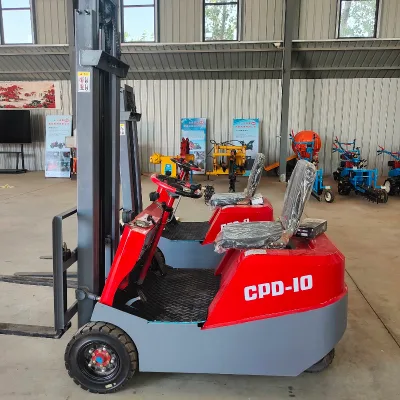
Customization is a significant cost driver. Many suppliers offer the ability to customize the color of the forklift, with options ranging from standard red and green to white or other specific brand colors. Customization options also extend to the model configuration, such as specific model series like CPD, CPD-20, CPD-35, or CPCD variants. Buyers should clarify the cost implications of any custom requests early in the procurement process.
The minimum order quantity (MOQ) is another consideration. Data indicates that the MOQ for these units is typically 1, allowing buyers to purchase single units for pilot programs or small fleet expansions. This flexibility reduces the initial capital outlay and allows for a more gradual scaling of operations.
Typical Applications and Operational Fit
Electric forklifts are uniquely suited for applications where emissions, noise, and vibration are concerns. Their zero-emission profile makes them ideal for indoor environments such as food and beverage processing plants, pharmaceutical warehouses, and cold storage facilities. The absence of exhaust fumes ensures a safer working environment for employees and eliminates the need for complex ventilation systems required by diesel or LPG forklifts.
The small footprint and maneuverability of these units make them perfect for narrow aisle operations. With a width of approximately 1.2 meters, they can navigate tight spaces that larger industrial trucks cannot. The solid rubber tires provide excellent traction on smooth concrete floors, which are common in modern distribution centers.
While the primary focus is on electric models, the market also includes diesel, LPG, and manual pallet trucks. Buyers must ensure they are selecting the correct type for their specific application. For example, a manual pallet truck is suitable for light, short-distance moves, while a stacker crane is designed for high-reach applications. The CPD series, for instance, is specifically designed as an electric forklift, offering a balance of power and efficiency for general material handling tasks.
Supplier Evaluation and Quality Assurance
Selecting the right supplier is critical for long-term success. Buyers should evaluate suppliers based on their ability to provide customization, their quality control processes, and their after-sales support. The market data indicates that many suppliers offer video outgoing-inspection services, allowing buyers to verify the condition and features of the unit before shipment. This transparency is a strong indicator of a reputable supplier.
Quality is a key differentiator. While some suppliers describe their products as having "great" quality and "well" performance, buyers should seek objective evidence. This includes requesting test results, maintenance records for used units, and references from previous clients. The production standard, such as the specific dimensions and packaging methods, should be clearly defined in the contract to avoid disputes upon delivery.
The origin of the product is also a factor in supplier evaluation. Suppliers based in China, particularly in Shandong, are common sources for these units. Buyers should verify the supplier's manufacturing capabilities and their adherence to international standards. The availability of certifications like CE and ISO 9001 should be confirmed, even if the specific status is listed as "background" or "high-confidence" depending on the source.
Long-Term Procurement and Maintenance Considerations
Procuring an electric forklift is not just a one-time transaction; it involves long-term considerations regarding maintenance, battery life, and total cost of ownership. The electric powertrain requires regular maintenance of the motor, battery, and electrical systems. Buyers should ensure that the supplier provides comprehensive documentation, including operation manuals and maintenance schedules.
Battery technology is a critical component of the long-term cost. While the specific battery type is not always detailed in the initial listing, buyers should inquire about the battery chemistry, expected cycle life, and replacement costs. The standard packing for these units, such as wooden boxes or port shipping, ensures safe transport, but the battery must be handled according to specific regulations for hazardous materials.
Customization options like color and specific model configurations can impact the availability of spare parts. Buyers should verify that the customized features do not compromise the availability of standard replacement parts. Additionally, the condition of the unit, whether new or used, will dictate the immediate maintenance needs. New units typically require less immediate intervention, while used units may need a thorough inspection and potential refurbishment.
In conclusion, sourcing eco-friendly small electric forklifts requires a balance of technical verification, compliance checking, and supplier evaluation. By focusing on the observed specifications, understanding the cost drivers, and prioritizing quality assurance, buyers can make informed decisions that align with their sustainability goals and operational requirements. The flexibility of the market, with its low MOQs and customization options, offers significant opportunities for businesses to optimize their material handling fleets.
FAQs
What is the standard lift height for these forklifts?
The standard lift height ranges from 3000mm to 5000mm. This range accommodates both standard racking systems and high-bay storage solutions for various warehouse needs.
Which load capacity options are available for electric models?
Available load capacities span from 1 ton to 5 tons, with some configurations extending up to 10 tons. Buyers must verify the rated capacity for their specific load center requirements.
Can the forklift color be customized to match branding?
Yes, the color is customizable, with options including red, green, and white. Suppliers offer this customization to align the equipment with specific corporate branding or safety color codes.
What is the minimum order quantity for purchasing a unit?
The minimum order quantity is typically 1 unit. This low threshold allows buyers to purchase single units for pilot programs or small fleet expansions without bulk commitments.
Are the tires made of solid rubber for indoor use?
Yes, the tires are solid rubber tires designed for industrial environments. This type provides stability and resistance to punctures on smooth concrete floors common in warehouses.
Which certifications do the manufacturers typically hold?
Manufacturers often hold CE and ISO 9001 certifications. These indicate compliance with European safety directives and adherence to rigorous quality management systems during the production process.
Where are these electric forklifts primarily manufactured?
These units are primarily manufactured in China, with specific hubs in regions like Shandong. Buyers should verify that products from these origins meet local import regulations.